Here’s why net-zero architecture is the future:
Net-Zero Architecture is not just a trend; it’s rapidly becoming the indispensable future of building design and construction for a multitude of compelling reasons, particularly when viewed through the lens of a city like Karachi.
Direct Impact on Karachi: Karachi is highly vulnerable to the impacts of climate change. It faces:
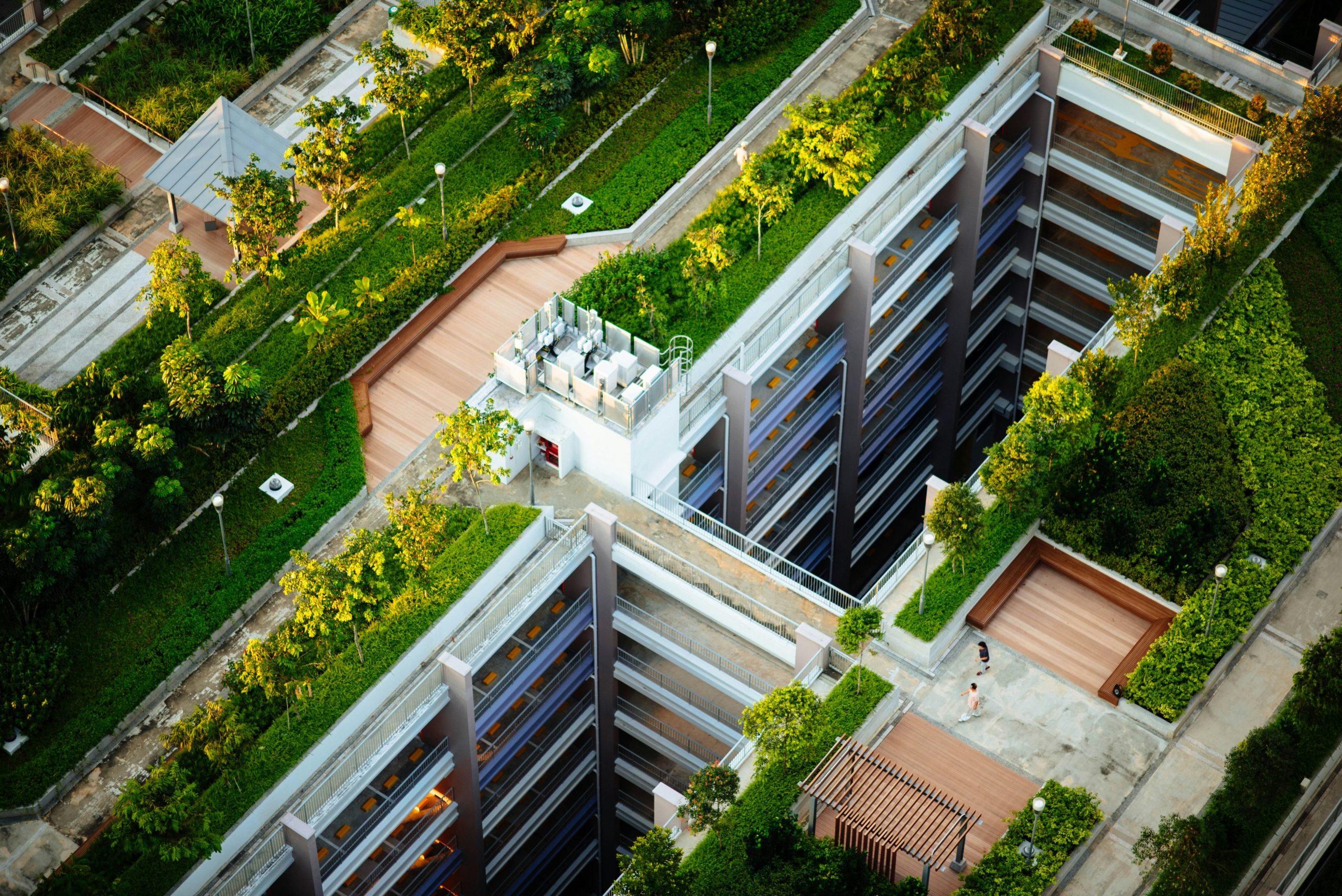
Intensified Heatwaves and Rising Temperatures: Traditional concrete and glass buildings exacerbate the urban heat island effect. Net-zero designs, with their emphasis on passive cooling, high insulation, and natural ventilation, are essential for making buildings habitable and comfortable without excessive energy use.
Urban Flooding and Water Scarcity: Net-zero principles often integrate rainwater harvesting and efficient water management, which are crucial for a city like Karachi facing both these challenges.
Coastal Vulnerability: As a coastal city, Karachi is at risk from sea-level rise and more intense storm surges. Resilient net-zero designs can incorporate adaptive strategies to withstand these future impacts.


Challanges & opportunities for karachi
While there are challenges like higher upfront costs and the need for specialized skills, the long-term benefits far outweigh them. For Karachi, the opportunity is immense:
To combat its severe climate challenges proactively.
To address its persistent energy crisis through innovative, self-sustaining buildings.
To create a healthier, more comfortable, and economically stable urban environment for its rapidly growing population.
To become a leader in sustainable urban development within the region.
The Conclusion
Net-zero architecture isn’t merely an option; it’s a strategic necessity. It offers a holistic solution to environmental crises, economic instability, and human well-being, making it undeniably the future of building design globally and especially in climatically vulnerable and energy-strained regions like Karachi.
Recent Comments